Blog ·
The Solar Installation Process: What Homeowners Should Expect
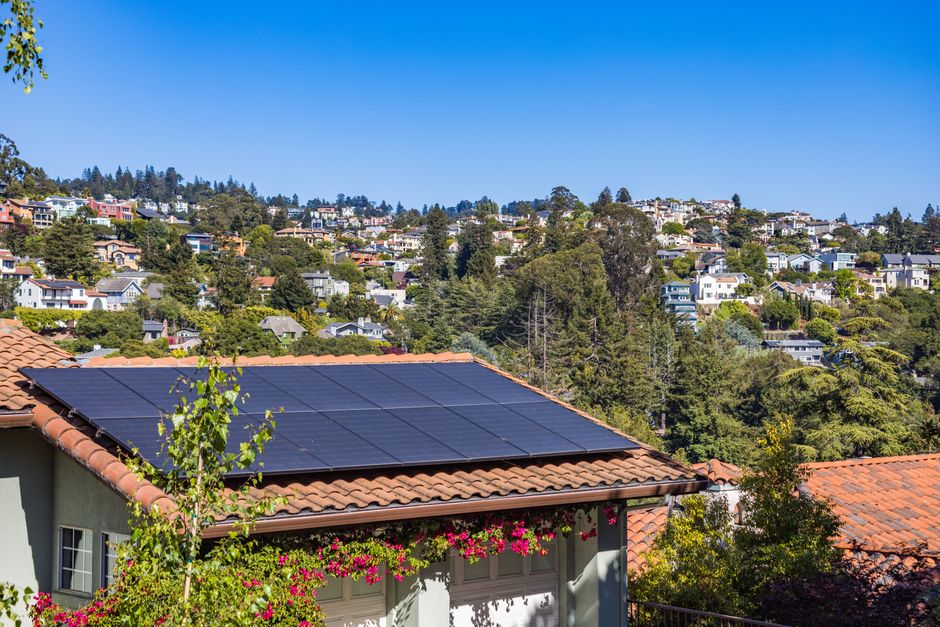
Understanding the solar installation timeline helps homeowners prepare appropriately. From initial consultation through system activation, the process involves several distinct phases. Knowing what happens at each stage removes uncertainty and helps you plan accordingly.
The process begins with a comprehensive site assessment. Installation professionals visit your property to evaluate roof condition, electrical systems, and structural considerations. They photograph your home from multiple angles and collect measurements necessary for precise system design. This information becomes the foundation for your custom installation plan.
System design comes next. Engineers create a detailed plan showing exact panel placement, electrical routing, and equipment specifications. They optimize the layout to maximize energy production while respecting your roof's structure and appearance preferences. You'll review this design before any work begins, ensuring the plan meets your expectations.
Permit acquisition is an essential but sometimes overlooked phase. Installation specialists handle building permits, electrical permits, and utility requirements. These bureaucratic steps ensure your system meets all safety codes and regulations. While this phase can take weeks, professionals manage these details so you don't have to.
Once permits are approved, installation begins. Crews mount racking systems on your roof, providing the structural foundation for panels. They install wiring that runs from the roof to your electrical panel and inverter. The actual installation typically spans one to three days, depending on system size and complexity. Crews work systematically, securing all components and ensuring proper electrical connections.
System activation involves multiple testing stages. Inspectors verify that all electrical components function safely and meet code requirements. The utility company inspects the interconnection to ensure your system can safely integrate with the grid. These inspections protect both your safety and grid reliability.
After inspection approval, your system receives the final activation signal. At this moment, your panels begin generating electricity immediately. Most homeowners can monitor their production through a dedicated app or web portal, watching real-time energy generation and tracking performance over time.
Professional installation companies provide guidance throughout ownership. They explain how to monitor your system's performance and recognize normal operational patterns. They clarify what maintenance tasks you can handle and which require professional attention. This ongoing support helps you maximize your investment's value.
Understanding this process timeline helps you prepare mentally and logistically. While the installation itself is relatively brief, the complete process—from assessment through activation—typically spans several months. This comprehensive approach ensures your system is correctly designed, legally compliant, and optimized for your home's specific conditions.