Blog ·
Maintaining Your Solar System for Decades of Performance
Properly maintained solar systems operate efficiently for thirty years or longer. Understanding maintenance requirements helps homeowners protect their investment and maximize long-term performance. Fortunately, residential solar panels require surprisingly minimal upkeep compared to many home systems.
Regular monitoring is your most important maintenance tool. Modern systems include monitoring platforms that track real-time performance data. By checking your system regularly, you'll spot any unusual patterns indicating potential issues. Sudden production drops, inconsistent performance across panels, or unexpected changes often signal problems requiring professional attention.
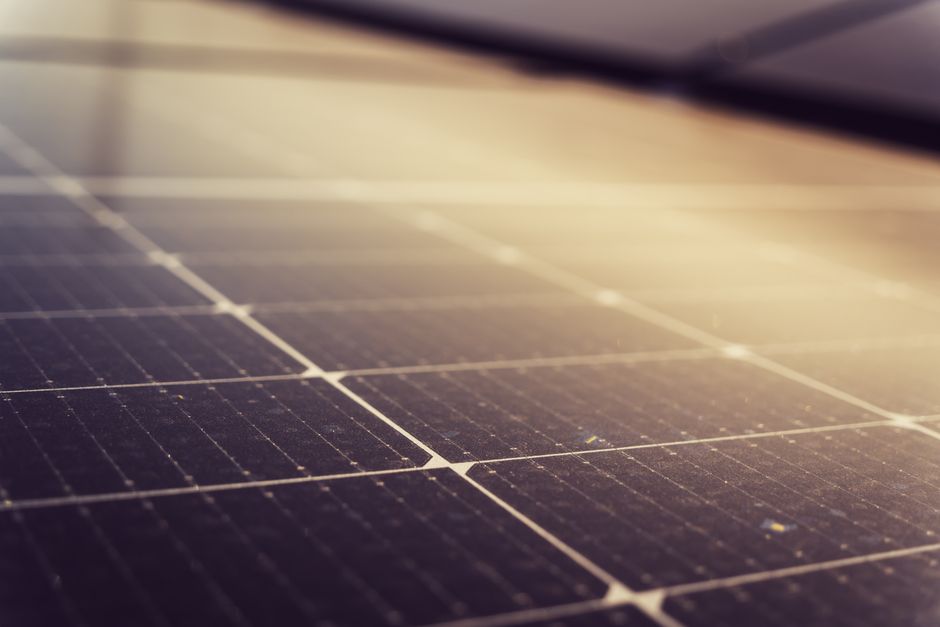
Cleaning panels occasionally improves performance, particularly in dusty environments or after storms. Rain naturally cleans panels in most climates, but accumulated dust or debris can temporarily reduce output. Periodic gentle cleaning restores optimal performance. Most homeowners can handle basic cleaning with soft brushes and water, though professional cleaning services are available if you prefer.
Seasonal variations are normal and expected. Your system produces more electricity during summer months when days are longer and the sun is more intense. Winter production decreases naturally due to shorter days and different sun angles. Understanding these patterns prevents unnecessary concern about normal seasonal fluctuations.
Inverters require attention more frequently than panels themselves. These devices convert the direct current electricity from panels into alternating current for home use. Most inverters last fifteen to twenty-five years before replacement becomes necessary. Monitoring inverter performance helps identify issues early, and professional technicians can diagnose and repair problems quickly.
Electrical connections and wiring deserve attention during routine maintenance visits. Professional inspections verify that all connections remain secure and that no corrosion has developed. These inspections prevent small issues from becoming major problems that compromise safety or performance.
Battery systems, if included in your installation, require specific maintenance protocols. Professionals should inspect batteries regularly to ensure they're charging and discharging properly. Battery performance monitoring helps predict when replacement might eventually be necessary.
Weather events occasionally require attention. After severe storms, have a professional inspect your system for damage. High winds, hail, or lightning strikes can sometimes affect components, and prompt inspection prevents problems from worsening. Most systems are designed to withstand typical weather conditions, but significant storms warrant professional assessment.
Professional maintenance visits, typically annual or biannual depending on your system, provide comprehensive system evaluation. Technicians test all electrical components, verify connections, check inverter operation, and assess overall system health. This preventive approach catches small issues before they become expensive problems.
With appropriate attention, your solar system will deliver reliable electricity generation for decades. The minimal maintenance requirements mean your system operates virtually worry-free, requiring only periodic monitoring and occasional professional inspection to maintain peak performance.